Understanding the psychology of gambling how emotions drive decisions in the casino
The Role of Emotions in Gambling
Emotions are pivotal in shaping how individuals engage with gambling activities. The thrill of winning can lead to a dopamine rush, making players feel euphoric and more willing to take risks. Conversely, losing can elicit feelings of frustration and disappointment, which may prompt them to chase their losses. This emotional rollercoaster can cloud judgment, leading to impulsive decisions that deviate from rational thinking. For those interested in exploring more about the gaming experience, https://crowngreencasino-canada.org/ offers a range of options to consider.

Understanding this emotional influence is critical, as players may not always act logically when faced with the highs and lows of gambling. Instead, their decisions are often swayed by how they feel at that moment. For instance, a player who just hit a small jackpot may feel invincible and take bigger risks, believing that luck is on their side. This emotional state can lead to significant financial consequences if not managed properly.
Moreover, emotions can create a feedback loop. A player experiencing a winning streak might feel more confident, leading them to gamble more aggressively. On the other hand, someone who has had a rough day might turn to gambling as a form of escapism, hoping to alleviate negative feelings. This interplay of emotions and gambling decisions underscores the importance of emotional awareness for players looking to maintain control over their gaming habits.
The Influence of Cognitive Biases
Cognitive biases play a crucial role in how emotions affect gambling behavior. One prominent bias is the illusion of control, where players believe they can influence outcomes that are purely based on chance. This illusion is often fueled by emotions like excitement and hope, leading players to engage in riskier behaviors. For example, a player may believe that their choice of numbers or strategies can sway the outcome of a slot machine or a game of roulette.
Additionally, the gambler’s fallacy can further complicate decision-making. This bias leads individuals to think that past outcomes will influence future events. For instance, if a player sees several losses in a row, they might feel that a win is “due,” prompting them to gamble even more aggressively. Such biases can cloud rational judgment, increasing the likelihood of emotional decision-making that does not align with the reality of the odds involved.
Understanding these cognitive biases helps illuminate why many gamblers fall into the trap of emotional decision-making. By recognizing these patterns, players can better equip themselves to make more informed choices, potentially mitigating the financial and emotional toll that gambling can impose. This awareness can lead to healthier gambling habits and a more enjoyable experience overall.
The Impact of Environment on Emotional Responses
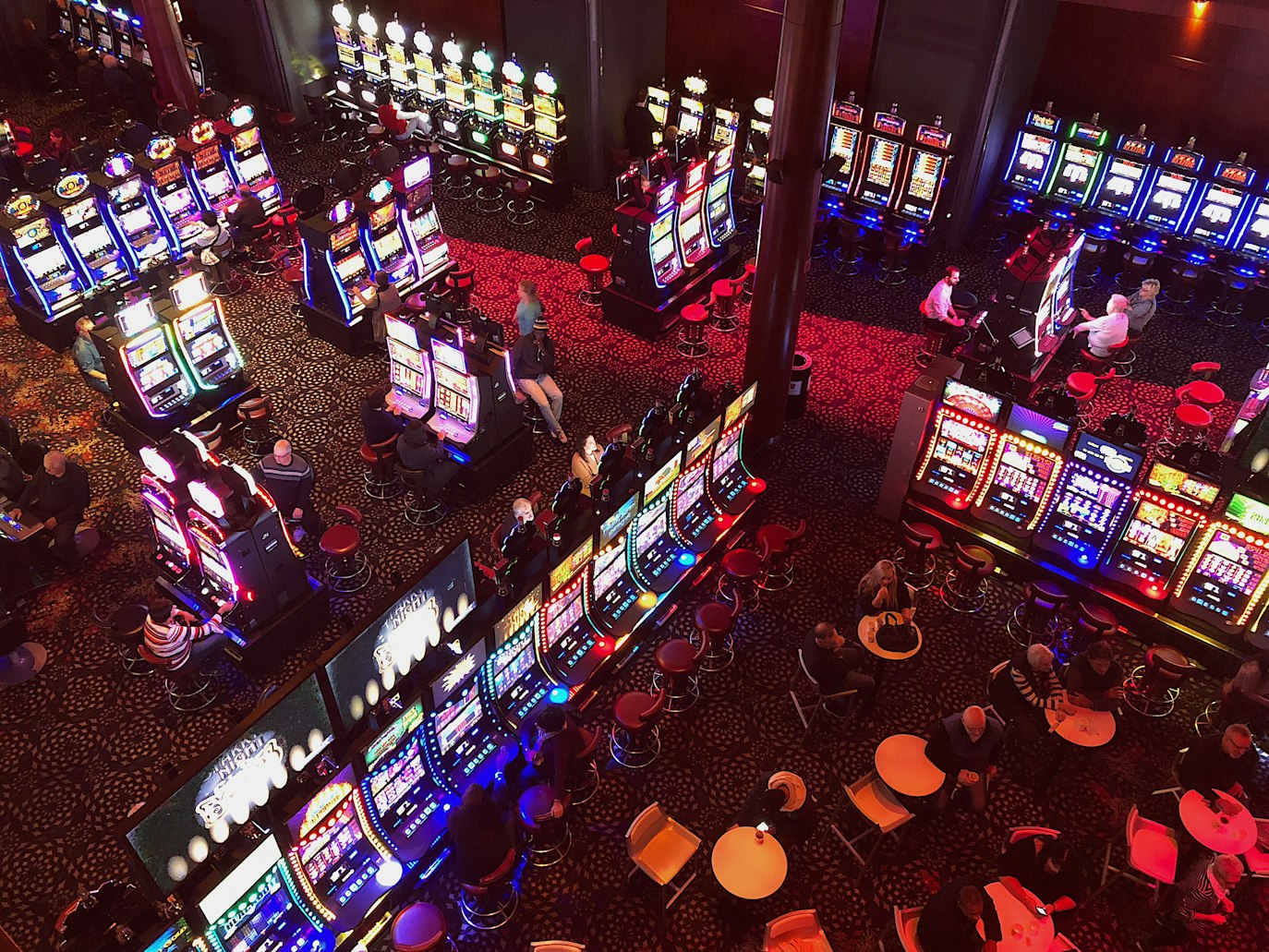
The environment in which gambling takes place significantly influences emotional responses. Casinos are designed to create an atmosphere that heightens excitement and encourages spending. Bright lights, engaging sounds, and the presence of other enthusiastic players can evoke strong emotions, pushing individuals to gamble more than they originally planned. This sensory overload can lead to a state of euphoria, making it difficult to make rational decisions.
Moreover, social interactions can further amplify emotional experiences. Many gamblers enjoy the camaraderie of playing with friends or meeting new people, which can create a sense of belonging and excitement. However, this social pressure can also lead to impulsive behavior, as individuals may feel compelled to keep up with others or participate in larger bets to maintain their social standing. Understanding these dynamics can help players recognize when their emotions are being manipulated by their surroundings.
As a result, being aware of the casino environment can aid players in making more conscious decisions. It encourages them to step back and assess their emotional state before engaging in high-stakes gambling. This practice can lead to healthier habits and a more satisfying gambling experience, as players learn to balance the excitement of the environment with their emotional and financial well-being.
Emotional Regulation Strategies
Developing emotional regulation strategies is essential for maintaining control over gambling behaviors. One effective method is to set strict limits on time and money spent in the casino. By establishing boundaries before entering, players can create a safety net that helps mitigate emotional decision-making. For instance, budgeting a specific amount and sticking to it can reduce the impulse to chase losses or continue playing in moments of heightened emotion.
Another strategy is to practice mindfulness. By being present in the moment and aware of their emotional states, players can make more deliberate decisions. This might involve taking breaks during play or engaging in deep breathing exercises when feelings of anxiety or excitement arise. Such practices help players recognize their emotions without letting them dictate their gambling choices, ultimately leading to a more controlled experience.
Furthermore, seeking support from friends or professionals can be beneficial. Discussing feelings and experiences related to gambling can provide a sense of accountability and enhance emotional resilience. This external support can help players navigate the emotional complexities of gambling, leading to healthier habits and a more enjoyable overall experience.
Understanding the Online Casino Experience
Online casinos, like Crown Green Casino Canada, offer a unique platform for players to engage with gambling from the comfort of their homes. While the emotional dynamics remain similar to traditional casinos, online environments present different challenges and opportunities for emotional regulation. The convenience and anonymity of online gambling can lead to impulsive decisions, as players might find it easier to chase losses without the immediate social consequences present in physical casinos.
Moreover, online casinos often use gamification strategies to enhance emotional engagement. Features like bonuses, rewards, and interactive gameplay can heighten excitement and encourage longer play sessions. While these elements can enhance the gaming experience, they also pose a risk for players who might be more vulnerable to emotional decision-making. Understanding these aspects is crucial for maintaining a balanced approach to online gambling.
As players engage with platforms like Crown Green Casino Canada, they can benefit from taking advantage of resources designed to promote responsible gambling. These include self-exclusion tools, budgeting features, and access to customer support. By prioritizing emotional awareness and utilizing available resources, players can enjoy their gaming experiences while keeping their emotions in check, leading to a healthier relationship with gambling.